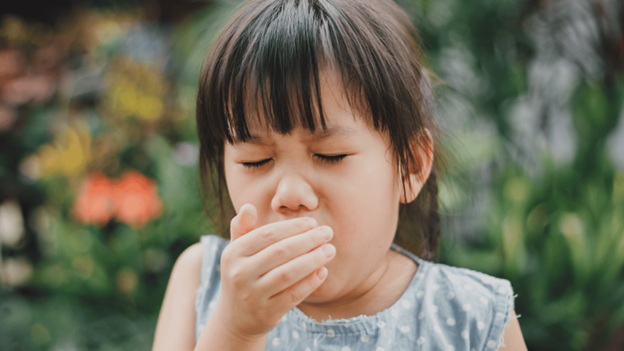
Walking pneumonia: hidden signs in kids.
Your child has been coughing for two weeks. At first, you thought it was just a cold. But the cough won't quit. They're tired and cranky, but not sick enough to stay in bed. They're still going to school, still playing, just not quite themselves.
This could be a case of walking pneumonia in children.
Walking pneumonia in kids is tricky to spot. It's called "walking" because kids can still walk around and do everyday activities. They don't look super sick. There’s no high fever or lying on the couch, unable to move. Just a cough that hangs on and on.
But walking pneumonia is still pneumonia. It’s an illness that needs treatment and knowing what to look for helps you get your child care before it gets worse.
Walking pneumonia is surprisingly common, with about 2 million infections each year in the US. After dropping during the COVID-19 pandemic, cases rebounded in 2024, especially among younger kids ages 2-4 who historically didn't get it as often.
From spotting the hidden symptoms to knowing when antibiotics help, here's what parents need to know about walking pneumonia in kids.
Walking pneumonia symptoms in kids vs. regular pneumonia.
Walking pneumonia symptoms in kids vs. regular pneumonia.
Both types are lung infections. But they act very differently in kids.
Walking pneumonia symptoms in kids.
Walking pneumonia sneaks up slowly.
Symptoms usually include:
- A cough that starts mild and gets worse over days or weeks
- Low fever (under 102°F) or no fever at all
- Tired but not bedridden
- Chest discomfort when coughing
- Dry, hacking cough (not wet or productive)
- Sore throat or headache
Kids with walking pneumonia often act pretty normal: they go to school and eat normally. They just seem a bit off with this annoying cough that won't go away.
Regular pneumonia symptoms in kids.
Regular pneumonia hits fast and hard.
Warning signs include:
- High fever (over 102°F)
- Heavy, wet cough with lots of mucus
- Fast or hard breathing
- Chest pain or stomach pain
- Looking really sick and not wanting to move
- No appetite
Kids with regular pneumonia are clearly sick and you know something is wrong.
How doctors tell them apart.
Walking pneumonia is caused by bacteria called Mycoplasma pneumoniae.
This Mycoplasma pneumoniae infection in children is different from regular pneumonia, which often comes from other bacteria or viruses.
Your doctor will listen to your child's lungs. With regular pneumonia, they'll hear crackling sounds.
With walking pneumonia, the lungs might sound pretty normal even though there's an infection. This is why you’ll sometimes hear it called atypical pneumonia in kids; it doesn't act like typical pneumonia.
How long does walking pneumonia last in kids? A recovery timeline.
Without treatment, walking pneumonia can drag on for weeks or even months. With treatment, kids get better much faster.
Walking pneumonia timeline without antibiotics.
The cough from pediatric walking pneumonia can last 3-4 weeks or longer. Your child may also feel tired for weeks. It takes a long time to clear on its own.
Walking pneumonia recovery with treatment.
Once your child starts antibiotics, they usually feel better within a few days. The fever goes away fast and energy starts coming back.
Even with antibiotics, the cough might last 2-3 weeks. This is normal. The infection is clearing, but the lungs need time to heal.
When to worry about walking pneumonia in kids during recovery.
Call your doctor or visit CityMD urgent care if your child:
- Gets worse after starting treatment
- Has a high fever (over 102°F)
- Has trouble breathing or breathes faster than normal
- Has chest pain that's getting worse
- Has lips or nails turning blue
Walking pneumonia treatment for kids: when antibiotics are needed.
Not every cough needs antibiotics. But walking pneumonia does.
Signs your child needs to see a doctor for walking pneumonia.
Get your child checked if they have:
- A cough lasting more than a week that's not getting better
- Low fever that keeps coming back
- Tiredness that's unusual for them
- Chest pain when coughing
- Headaches with the cough
Walking pneumonia often starts like a cold. But if symptoms hang on past a week or start getting worse, it's time to get help.
What happens at CityMD?
At CityMD, we'll listen to your child's lungs and check their breathing. We'll ask about symptoms and how long they've been sick. We might do a chest X-ray if needed.
For walking pneumonia, we'll prescribe antibiotics. The most common is azithromycin (Z-pack), which kids take for a few days. This treats the Mycoplasma pneumoniae bacteria in children effectively.
Home care while your child recovers from walking pneumonia.
While your child heals:
- Make sure they rest when tired
- Push fluids like water, juice and soup
- Use a cool-mist humidifier to help with the cough
- Give acetaminophen or ibuprofen for fever
- Keep them home from sports until they feel better
Don't use cough medicine unless approved by a doctor. The cough helps clear their lungs.
Treat Walking Pneumonia at CityMD
If your child's upper respiratory symptoms aren’t improving after 4-5 days, especially if they still have a fever, visit CityMD to be evaluated for pneumonia. If your child is experiencing difficulty breathing, severe chest pain, lethargy, or blue lips, seek immediate care at the nearest emergency room.
CityMD offers same-day diagnosis and treatment for walking pneumonia. Our providers will assess your child’s lungs, determine the cause, and prescribe antibiotics if necessary.
No appointment needed. Walk into your nearest CityMD when your child needs care.
We’re ready to care for you.
Visit any CityMD urgent care location in your community today for an evaluation with one of our expert providers.